A.I. and Legal Decision Making

Guest Lecture: PSYC401 Psychology & Law

Emma Marshall, JD, MA

University of Nebraska-Lincoln

March 11, 2025

What is Artificial Intelligence?
Understanding of AI-systems
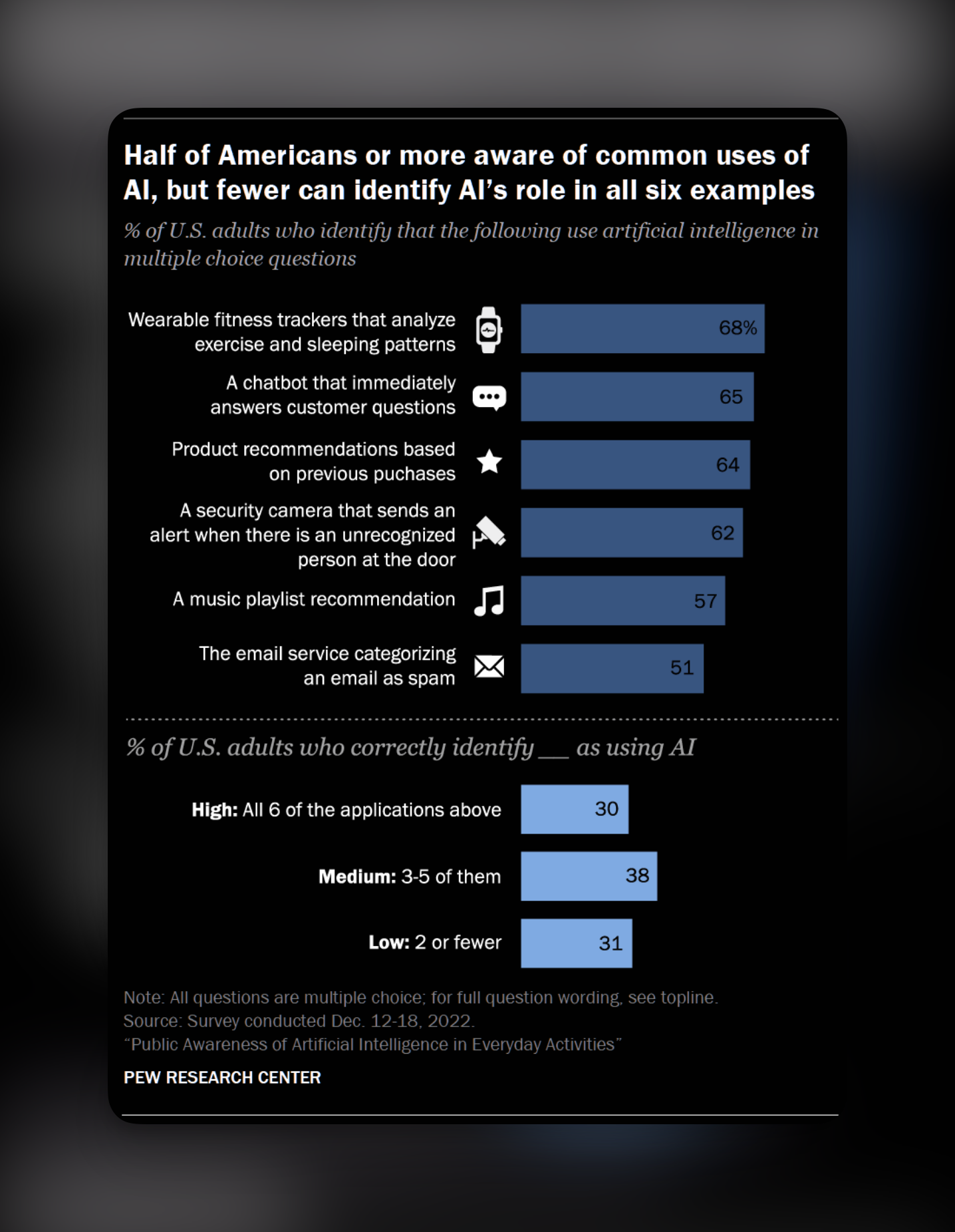
Kennedy, Tyson, and Saks (2023)

Machine Learning & “AI”
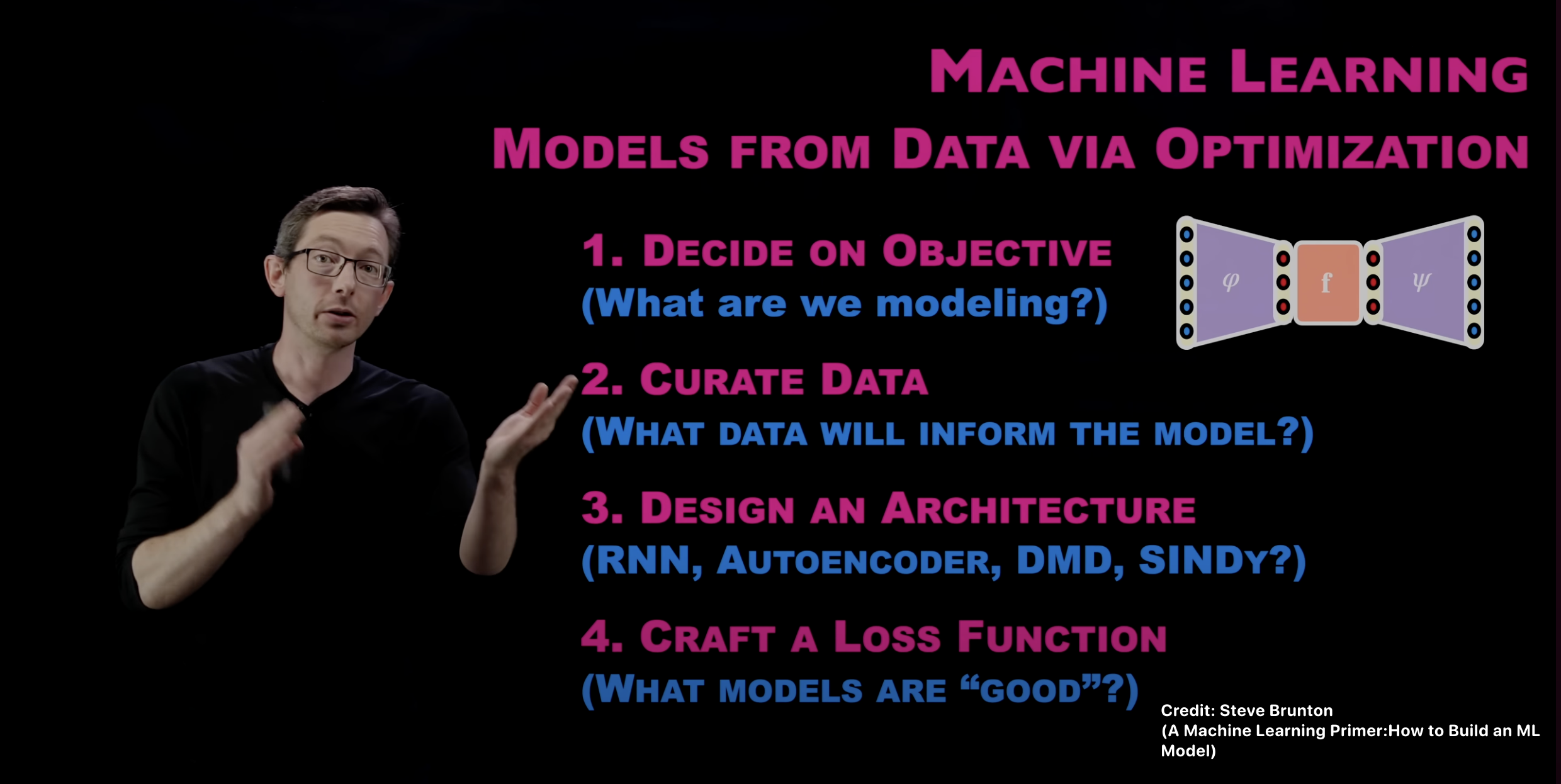
Iterative Process

Scientific Method?
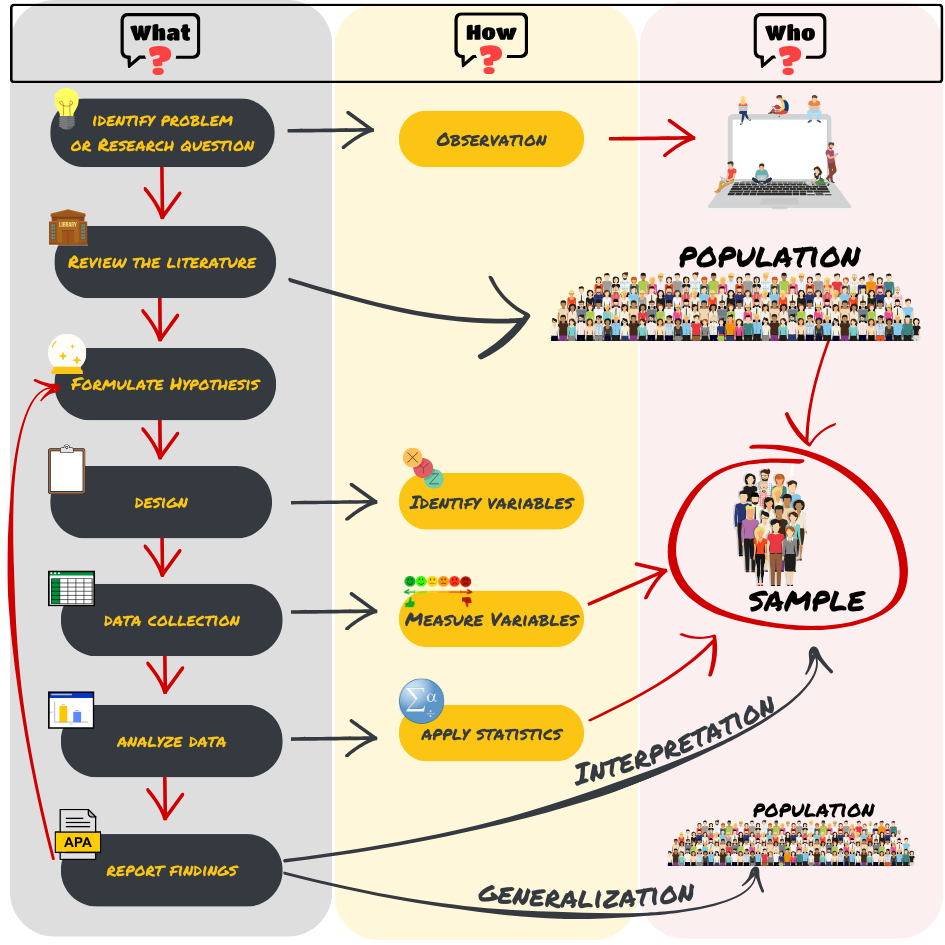
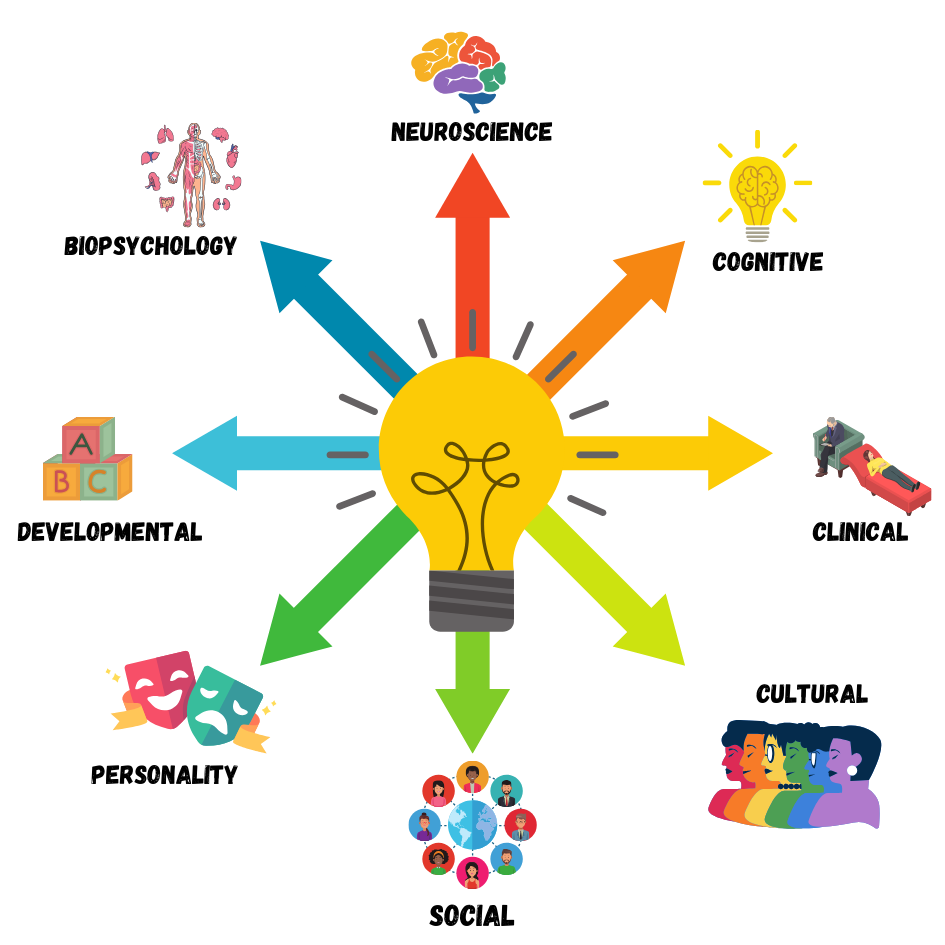
AI & Other Cognitive Sciences
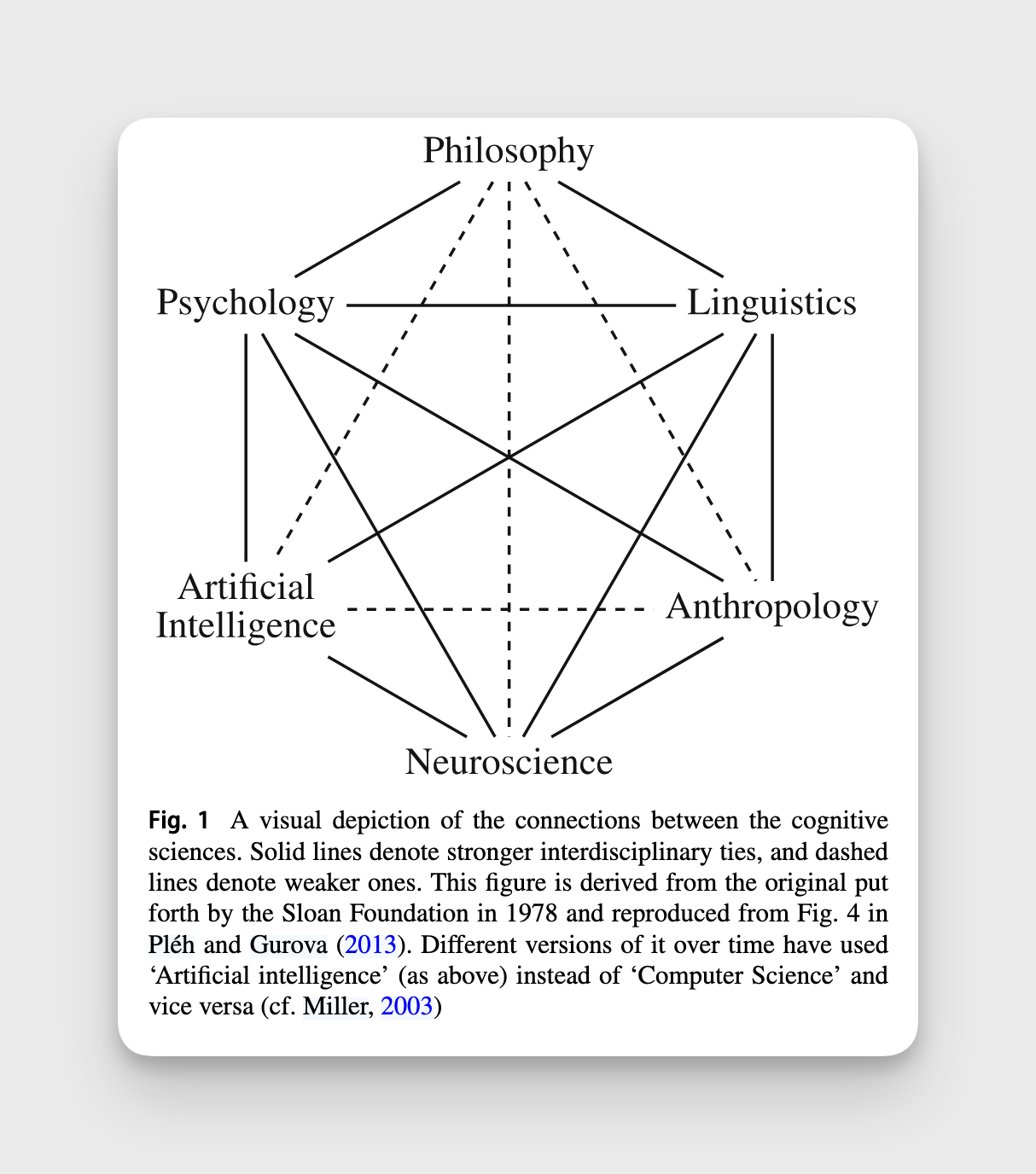
Van Rooij et al. (2024)

What do we mean by “AI”?
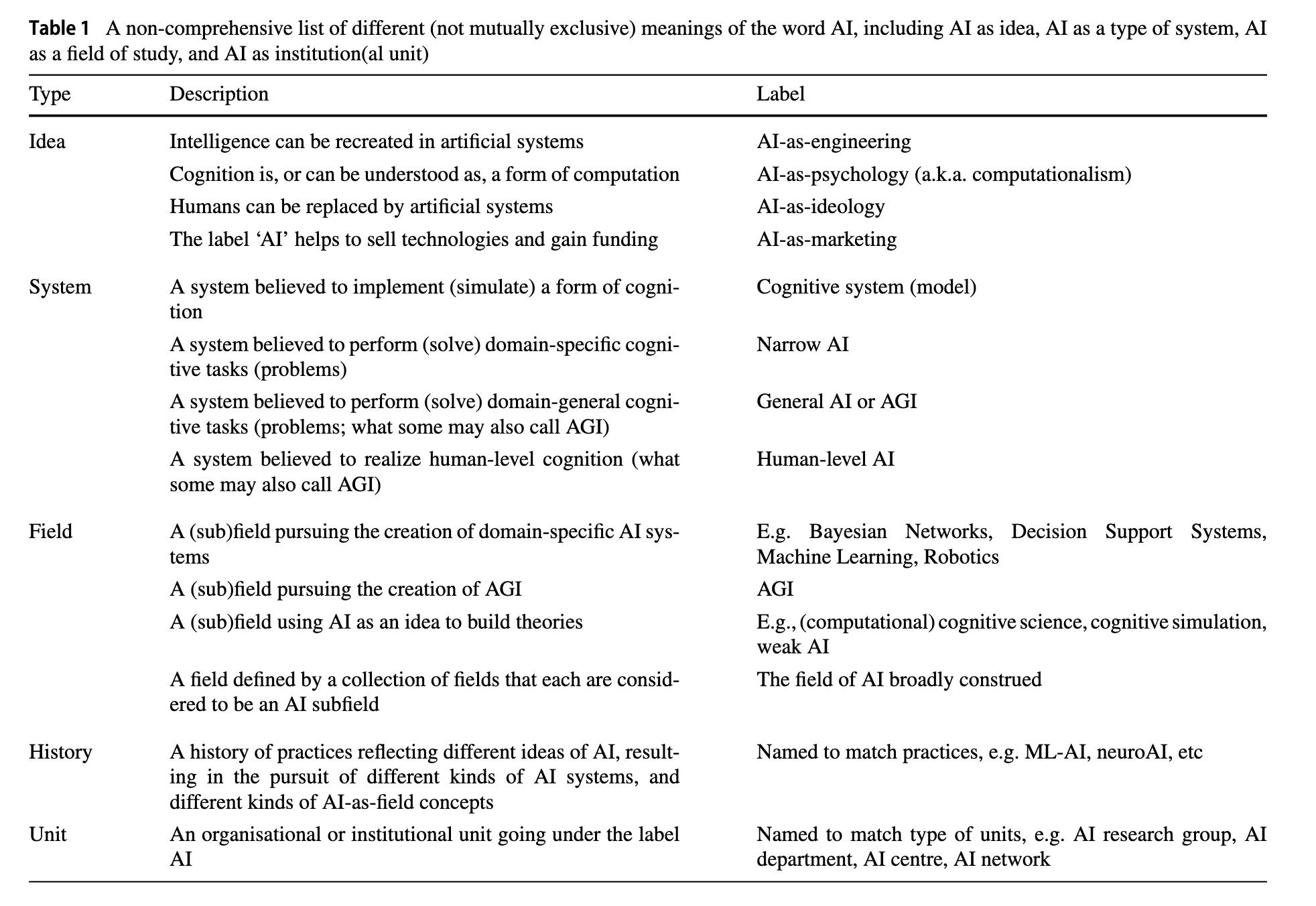
Van Rooij et al. (2024)

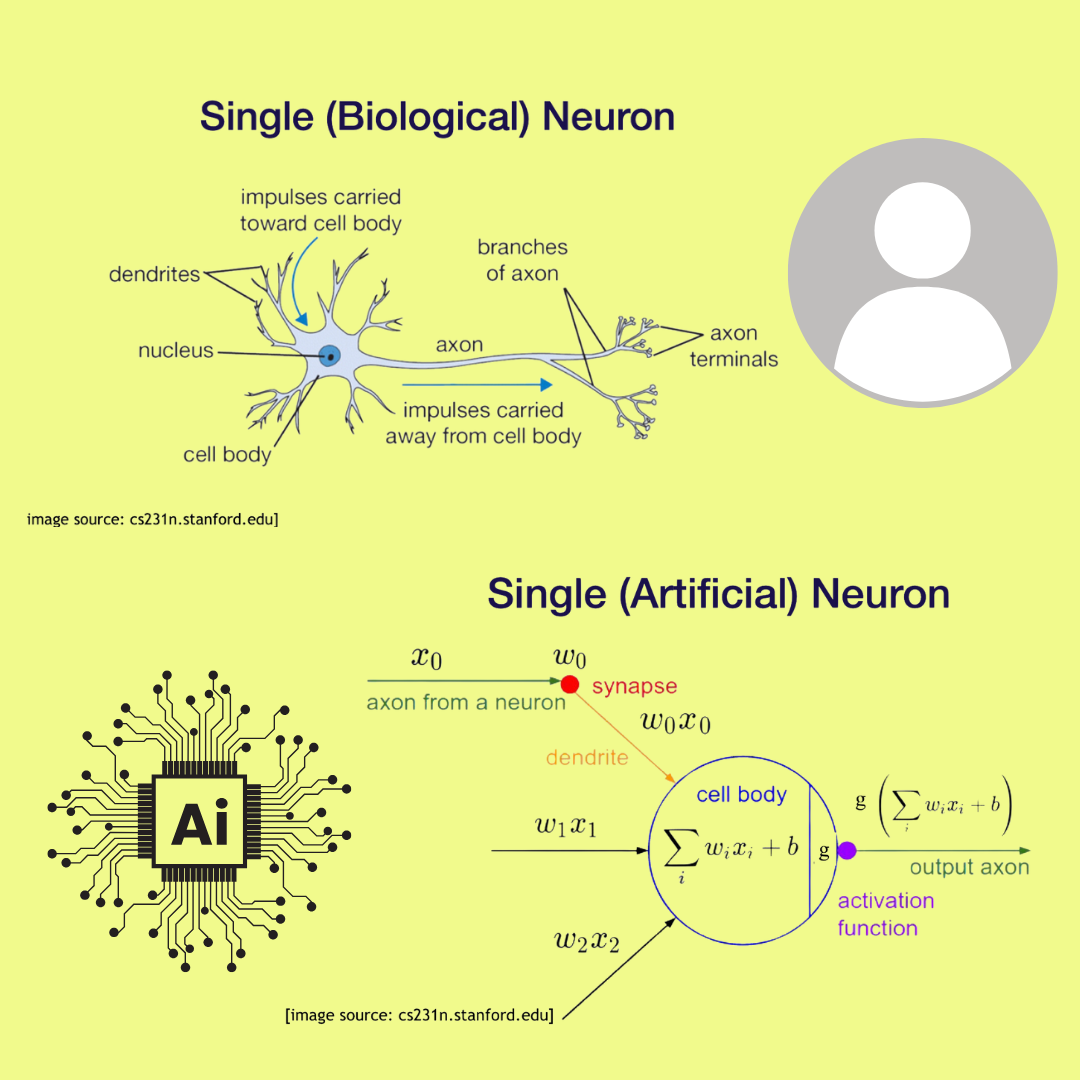
Code & Math (NOT biology)
AI is just a (powerful) TOOL!

AI makes predictions based on pre-existing data
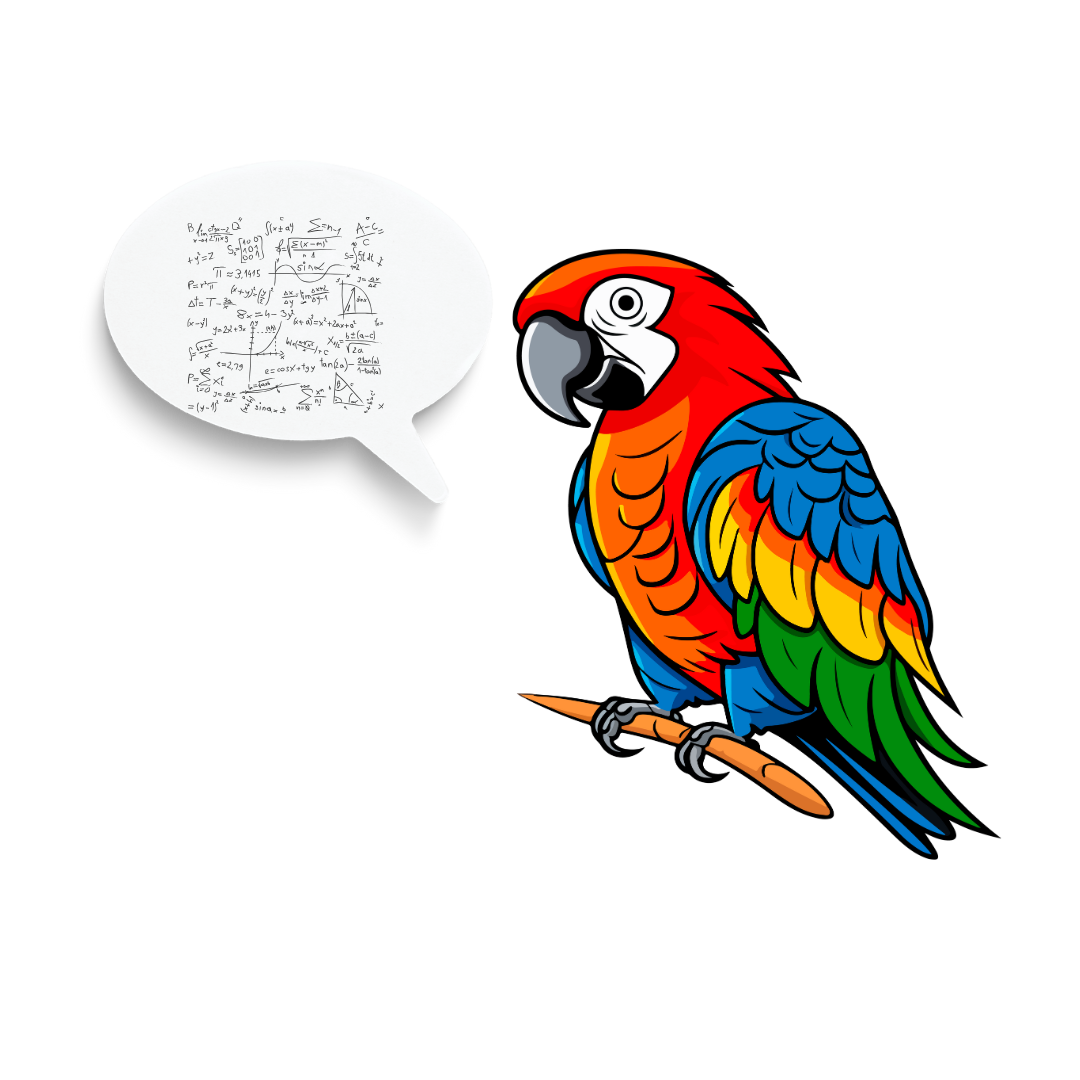
Bender et al. (2021)
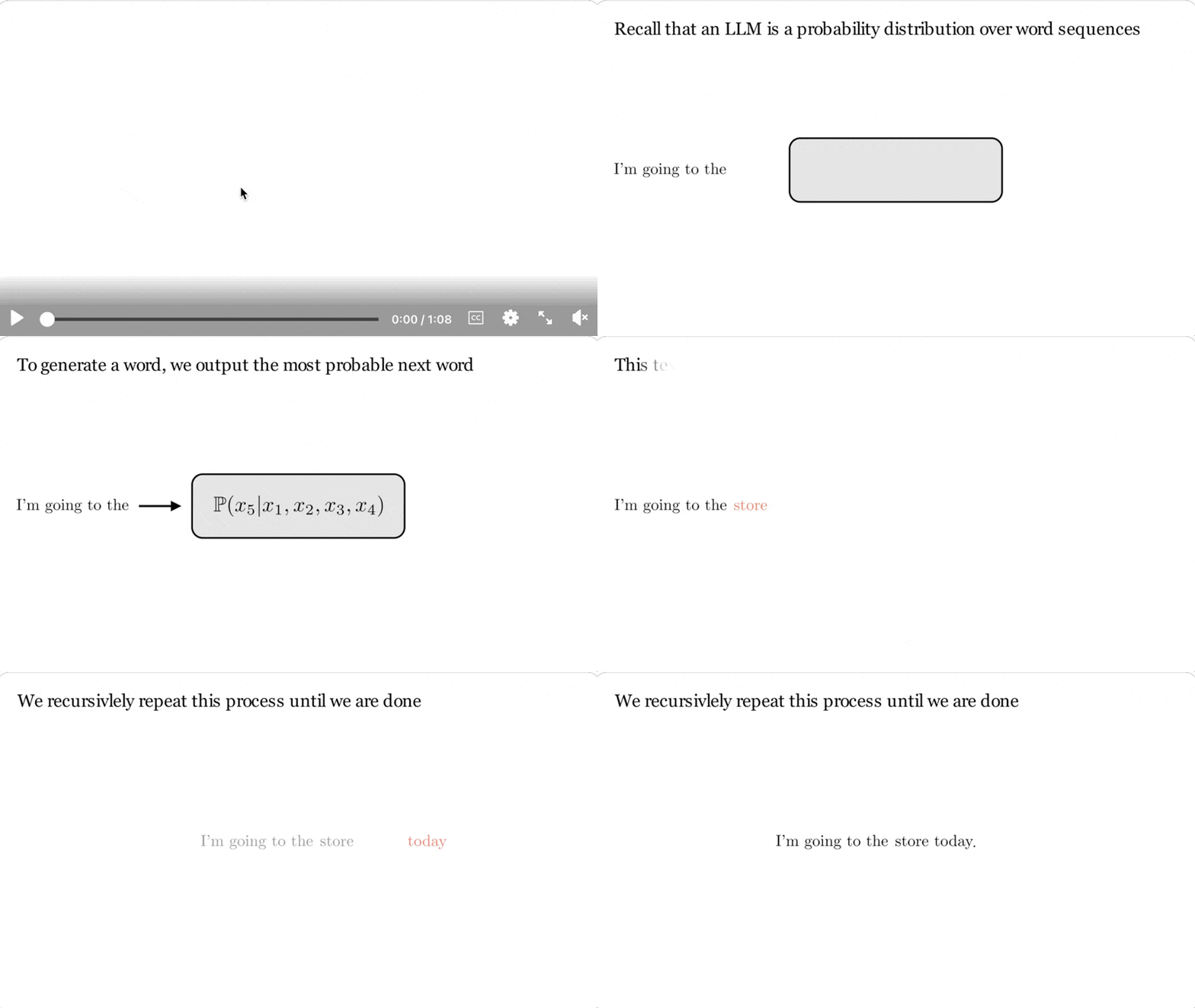
…all the time!
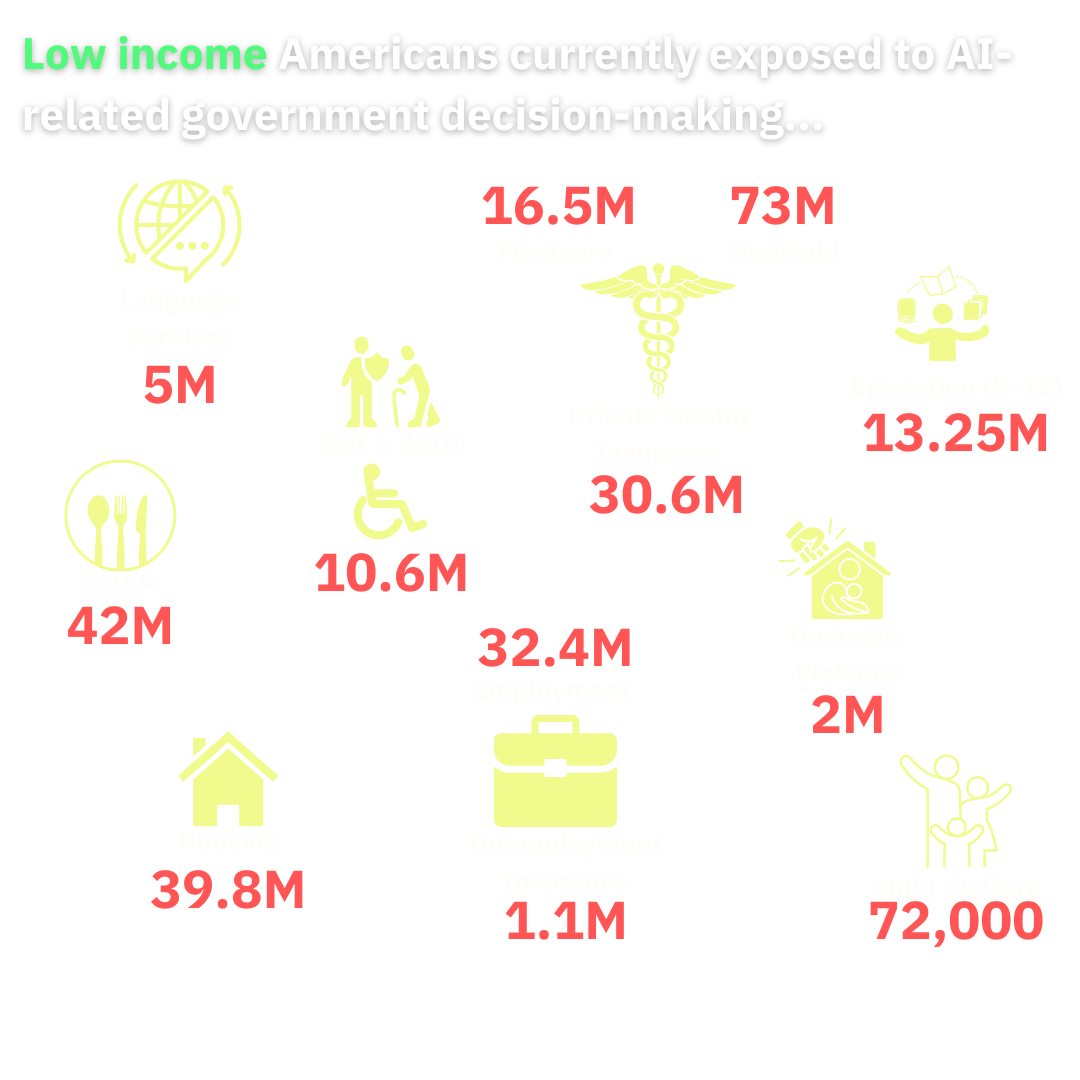
Types of Algorithms & “AI”

Algorithm Type Process Description Type of Data Used Legal Examples
Rule-Based Decision Making If condition fulfilled then activity 1 else activity 2 Boolean data (yes or no) Court Scheduling
Statistical Reasoning Simple regression Numerical data allowing for curve fitting Risk Assessment
Machine Learning Classification tasks Arbitrary data that needs to be abstracted into numbers Facial recognition
Artificial Intelligence Dynamic adaptation to novelty Autonomous selection of best methodology Intelligent digital assistant

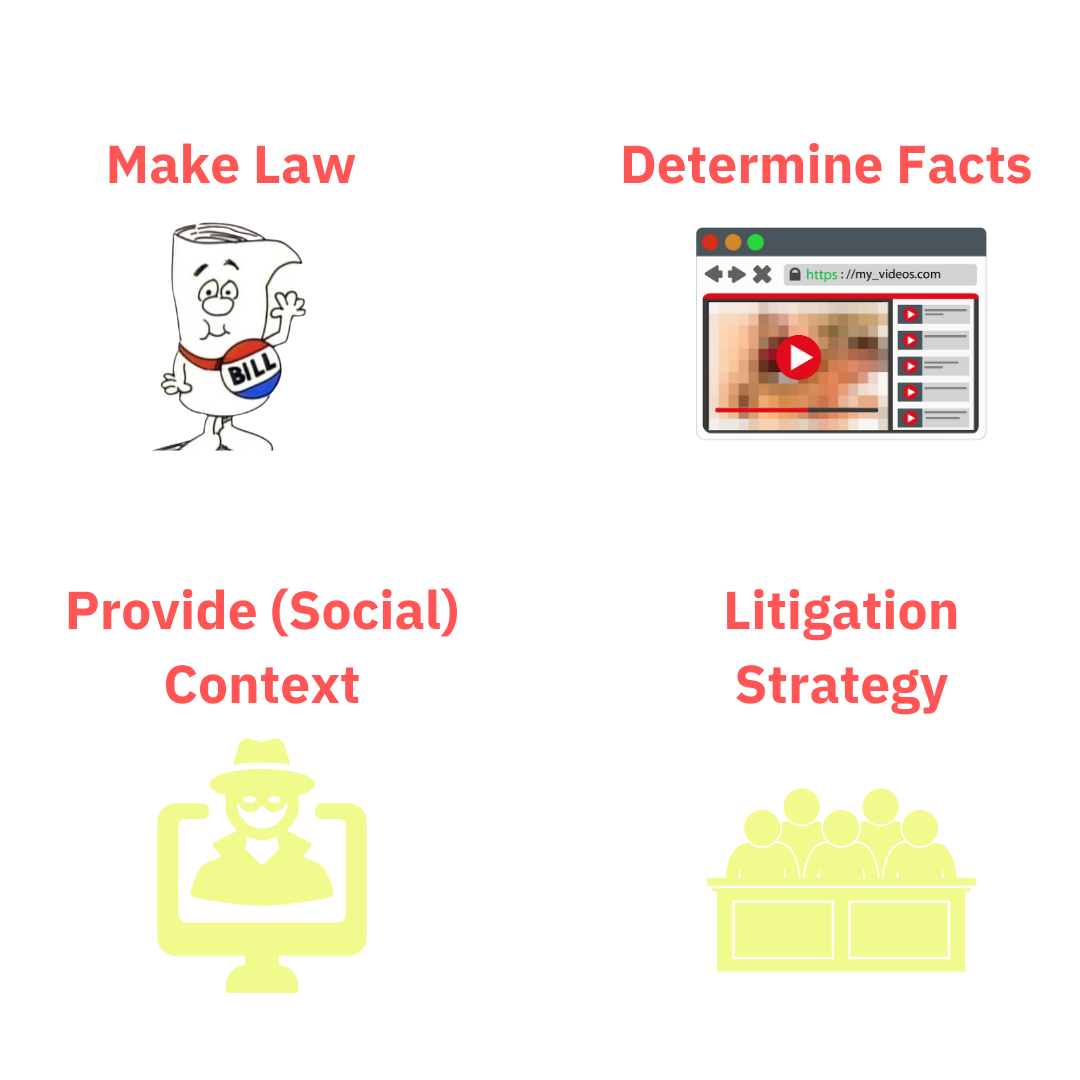
Law means many things…

Law-Psychology does many things…

What can go wrong?

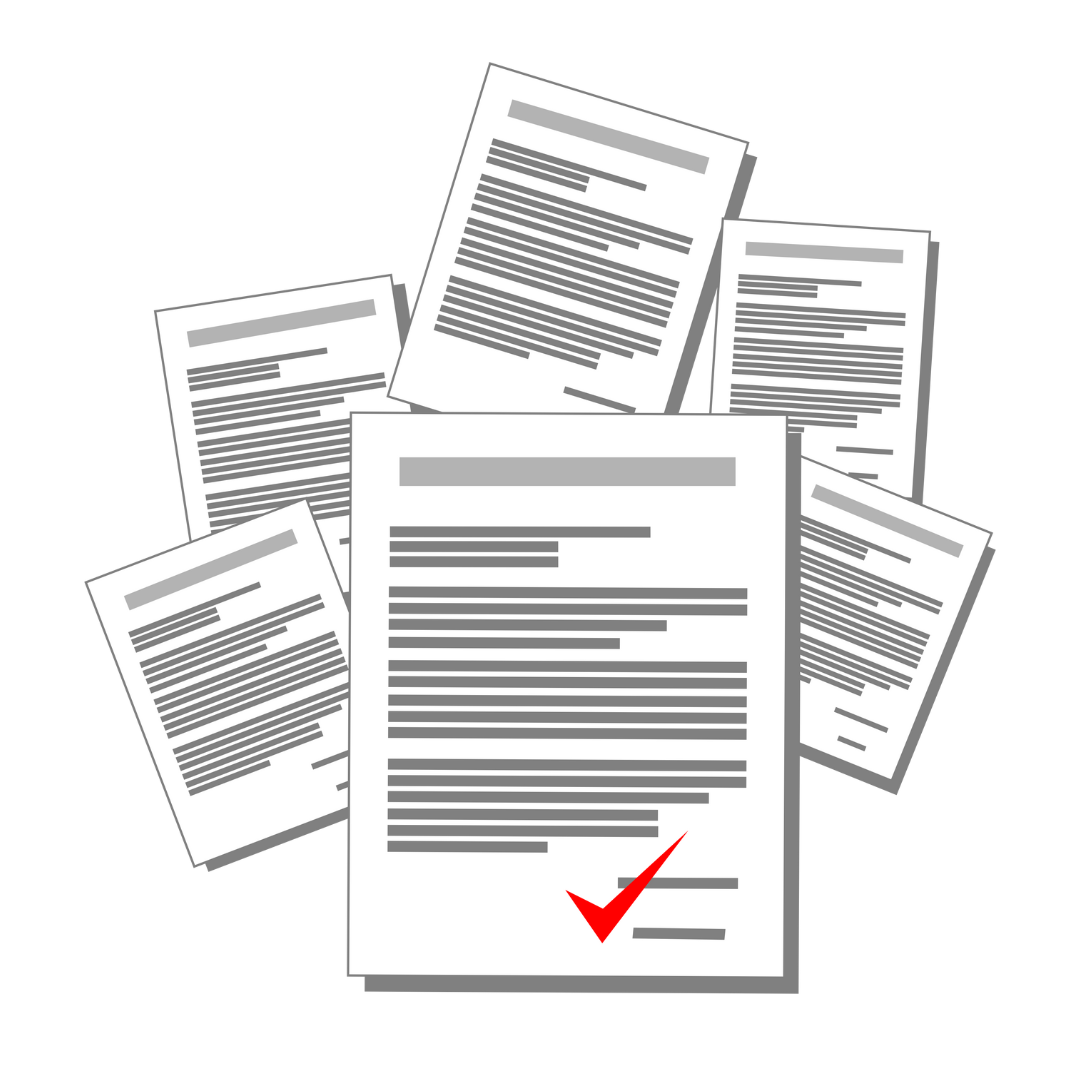
Good at: Document review (TAR)
Bad at: Writing Police Reports?
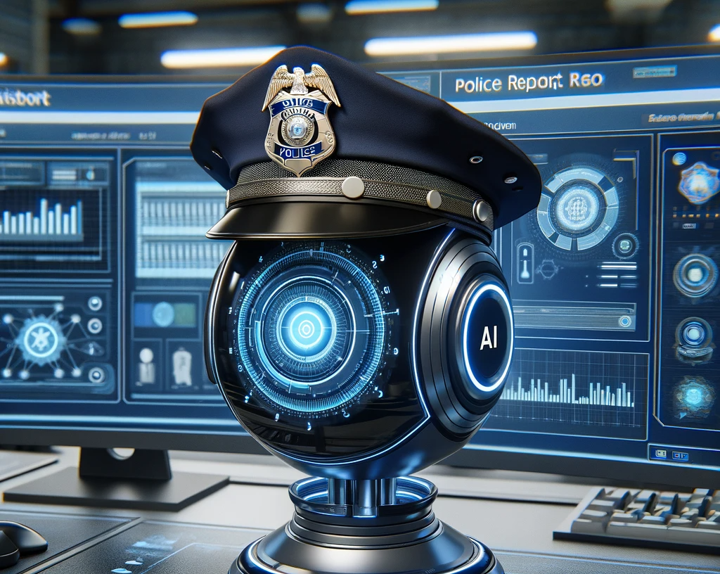
Ferguson (2024)

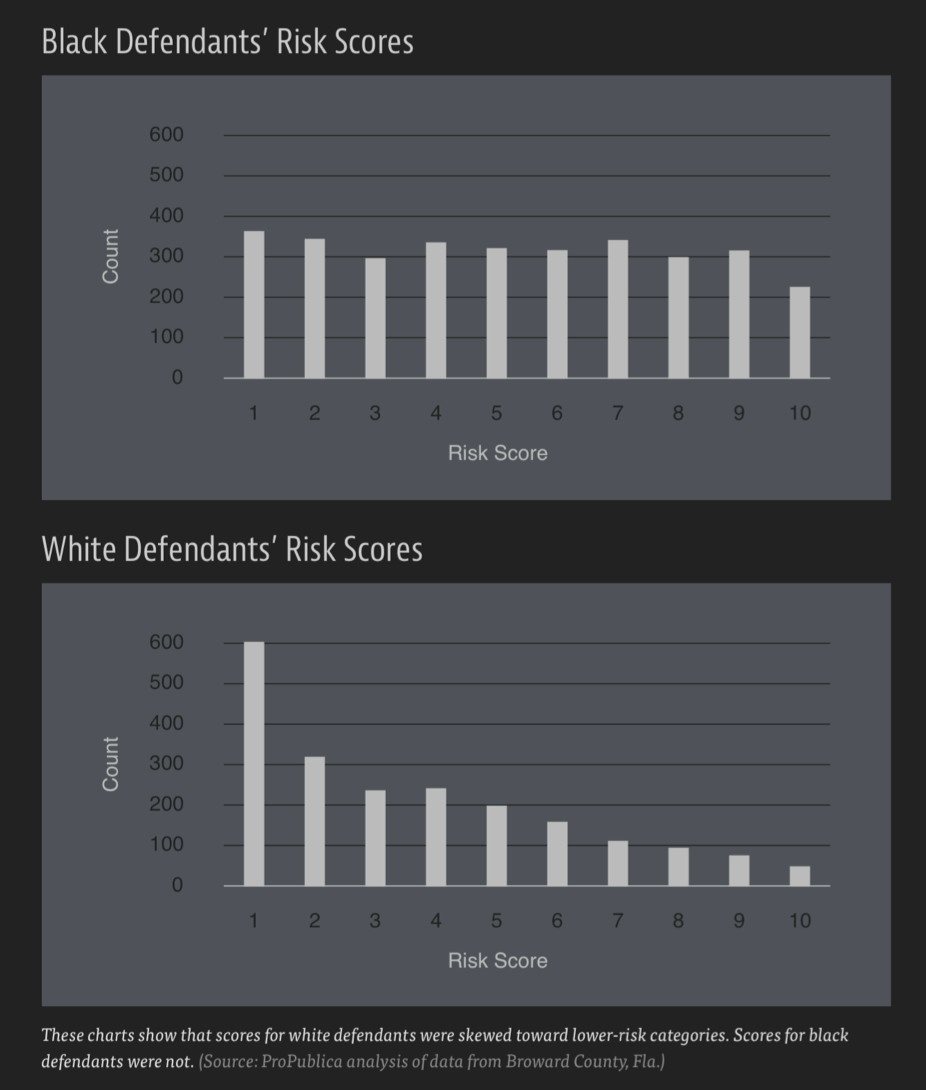
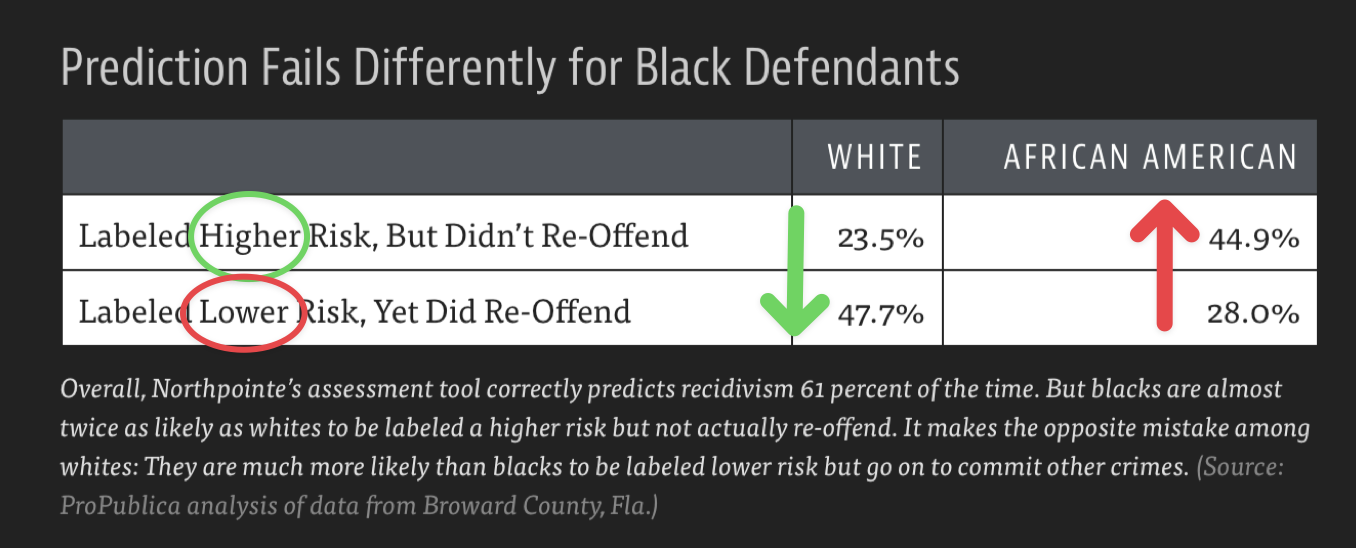
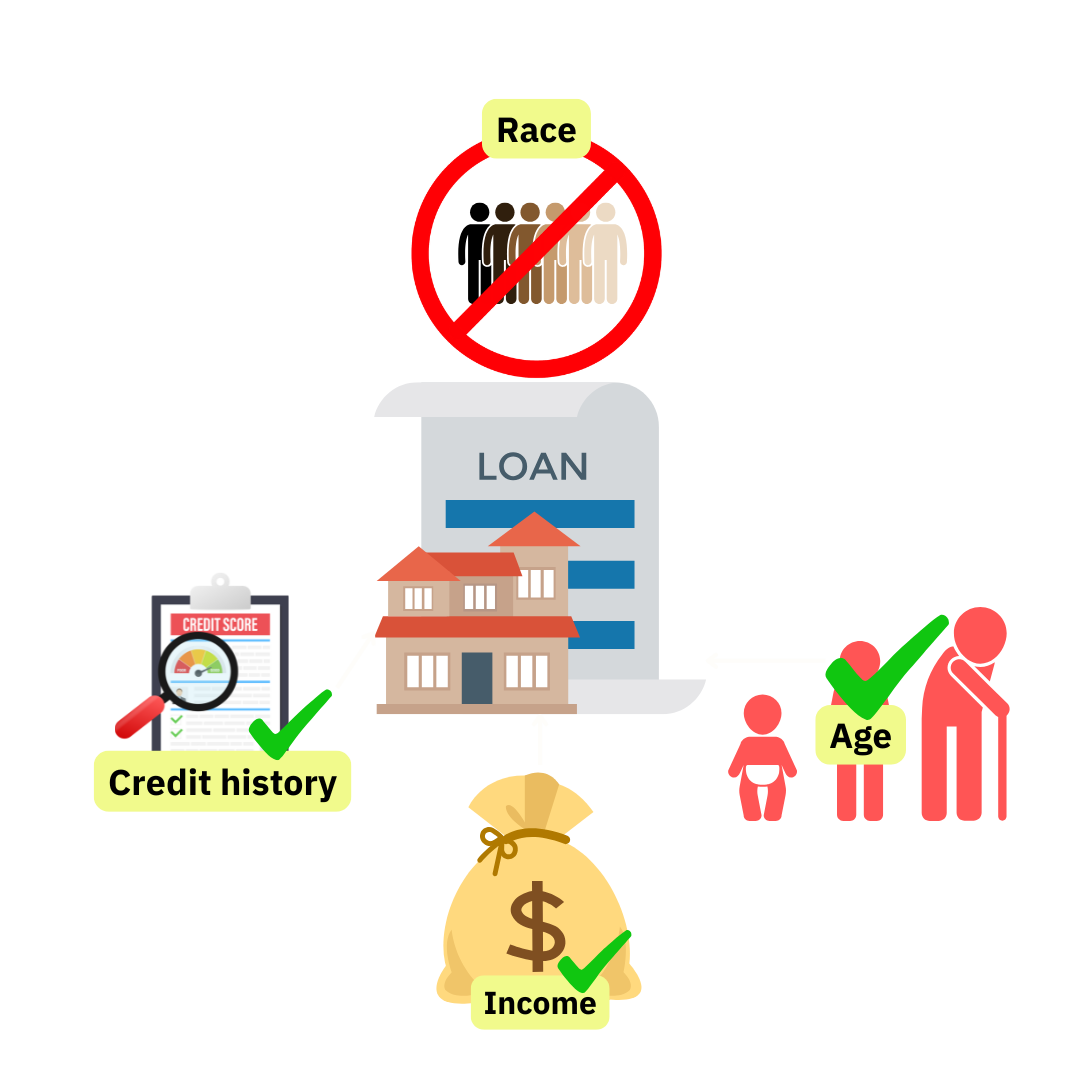
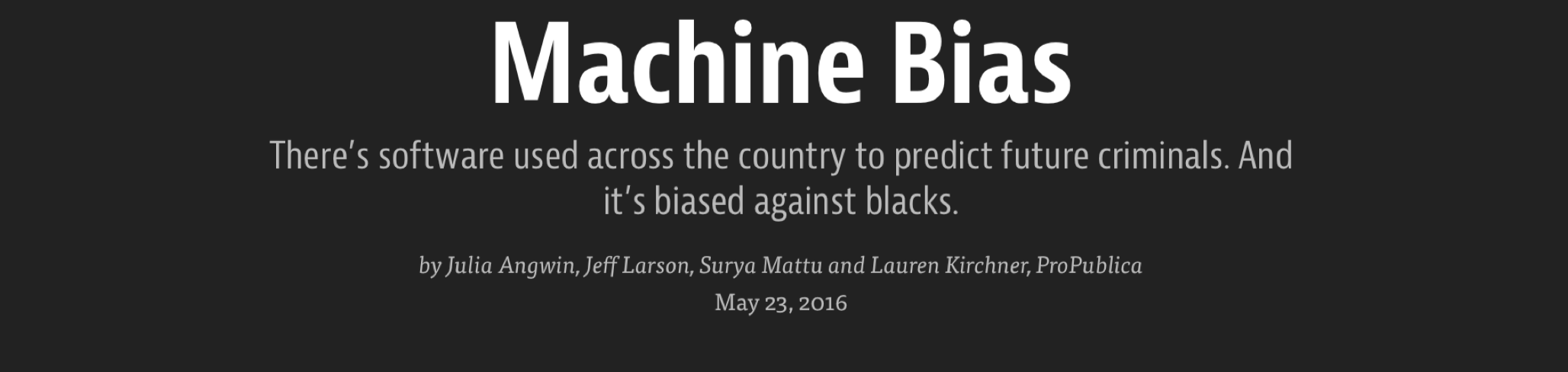
Fairness
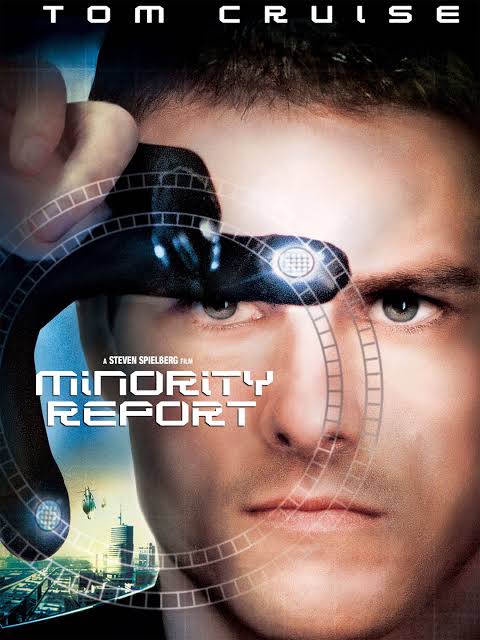
  • Historical data bias
  • Proxy variables
    • i.e., zip codes, arrest records
  • Definitional challenges

COMPASS: Correctional Offender Management Profiling for Alternative Sanctions
Accuracy

  • Performance Metrics:
    • Accuracy (overall population)
    • Precision (individual cases)
    • Recall (detection rate)
  • Data quality issues
  • Training data limitations

How to Train Your Data

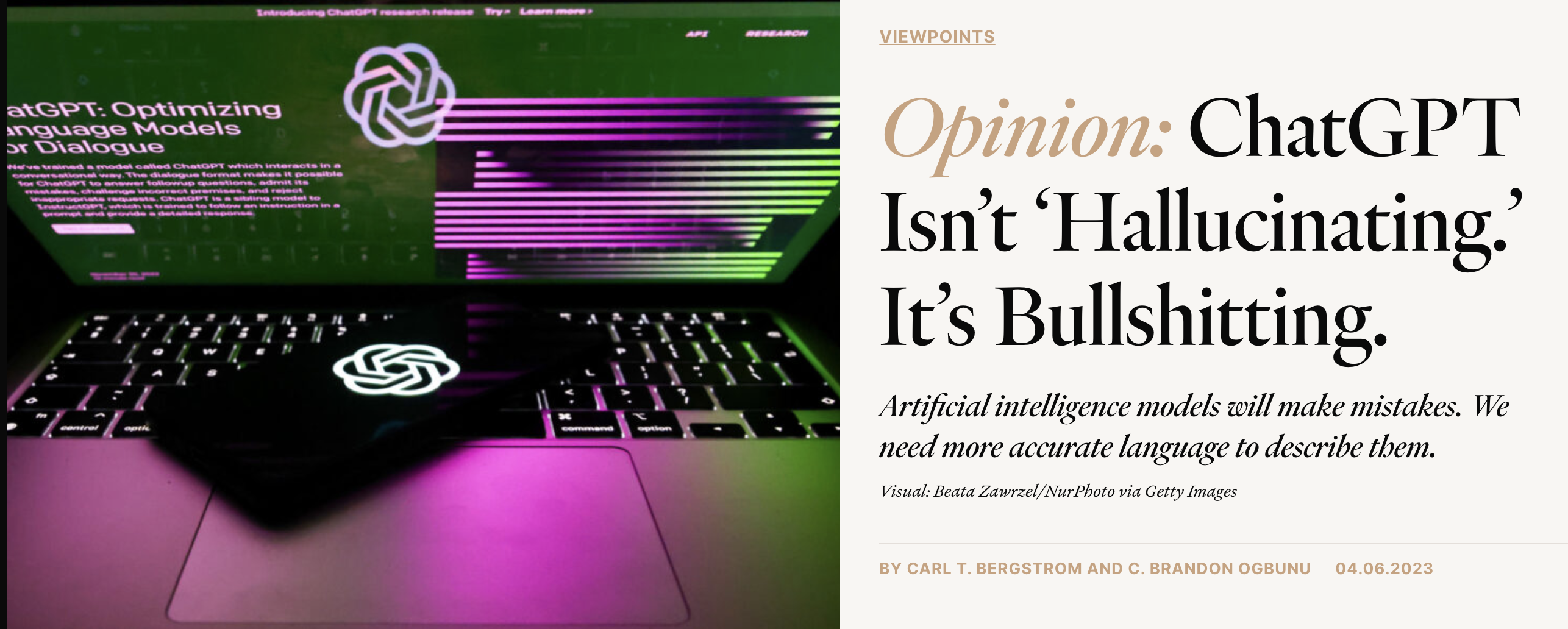
Hallucinations!?!?

https://undark.org/2023/04/06/chatgpt-isnt-hallucinating-its-bullshitting/

https://undark.org/2023/04/06/chatgpt-isnt-hallucinating-its-bullshitting/

Accountability

  • “Black box” systems
  • Proprietary software
  • Distributed widely
  • Responsibility gaps
  • Trust Paradox Kreps et al. (2023)

Transparency

  • Propriety algorithms
  • Limited public access to:
  • BUT needed for contestability

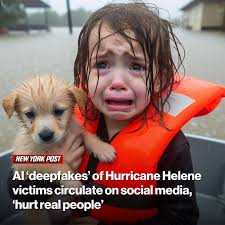
Example: AI & Deepfake Pornography
What are Deepfakes?
Technical Background

  • Uses AI/machine learning to produce/alter images, audio & videos
  • Can create realistic content with minimal source material

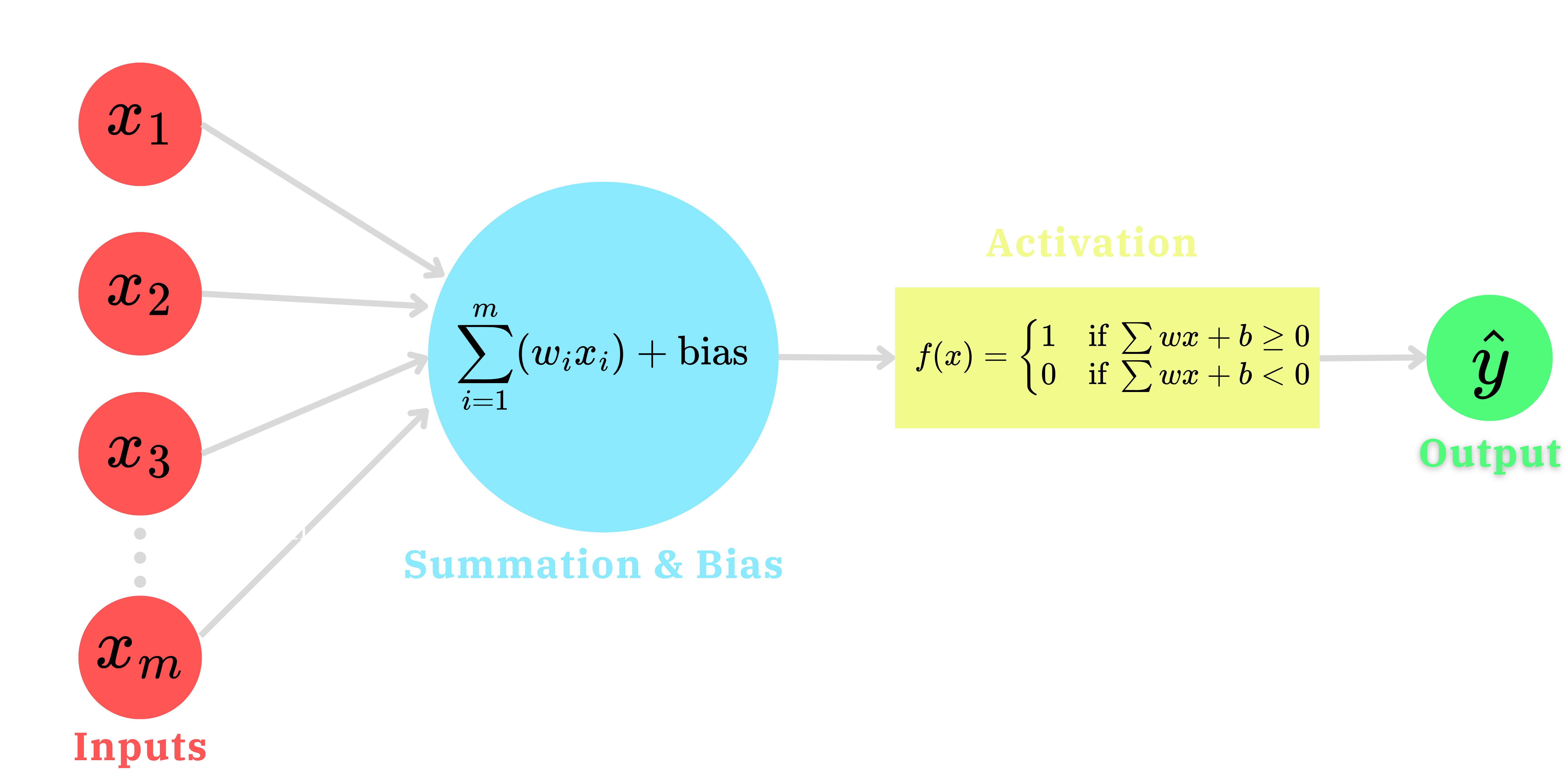
How They Work

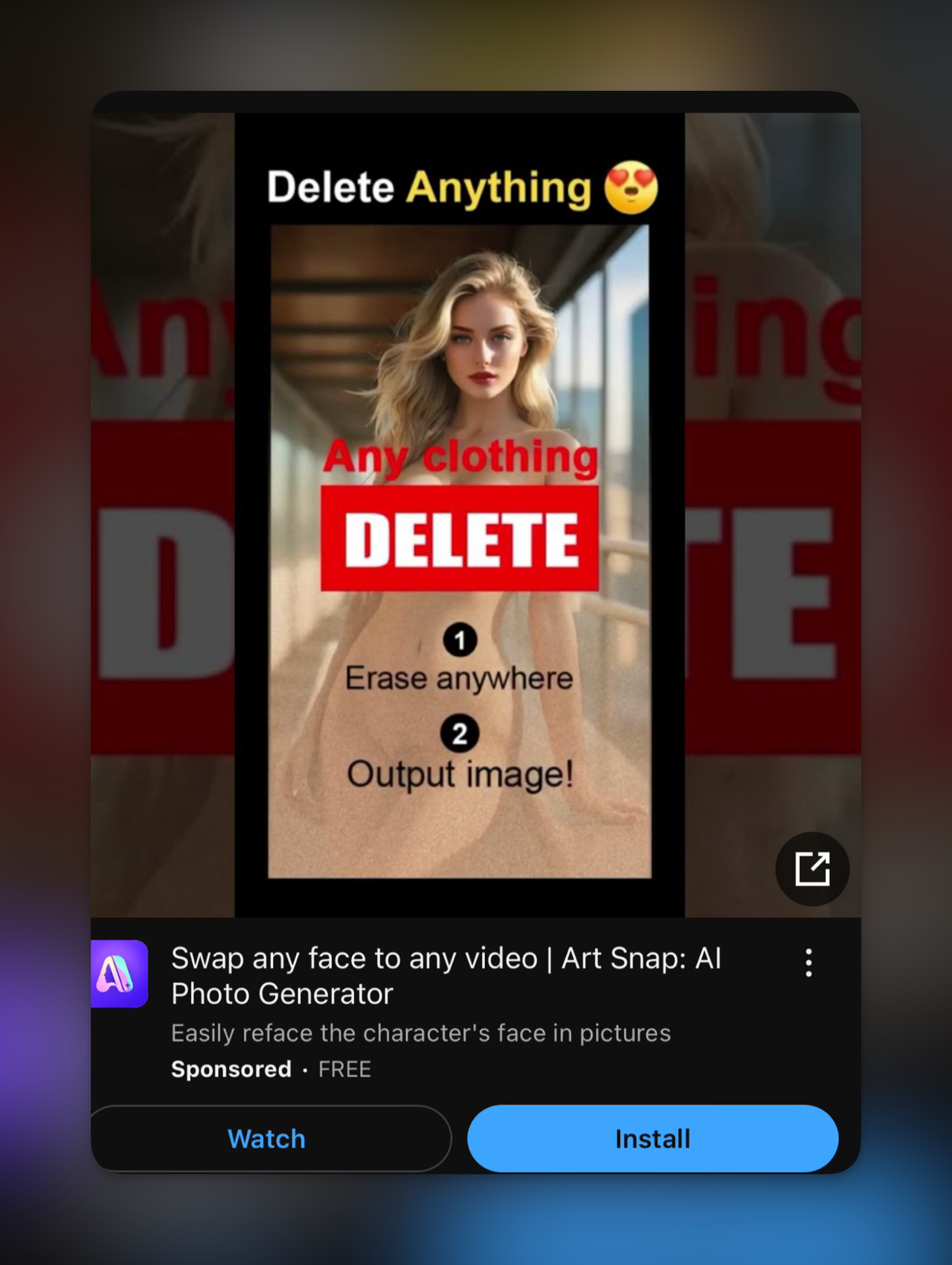
How are they used?

  • Entertainment (e.g., make Harrison Ford look young)
  • Political manipulation
  • Advertising
  • **Pornography

96% of all deepfakes are porn

Problem with Deepfake Porn

  • Devastating personal and professional consequences
  • Difficulty removing content once posted (copywrite)
  • Limited legal recourse

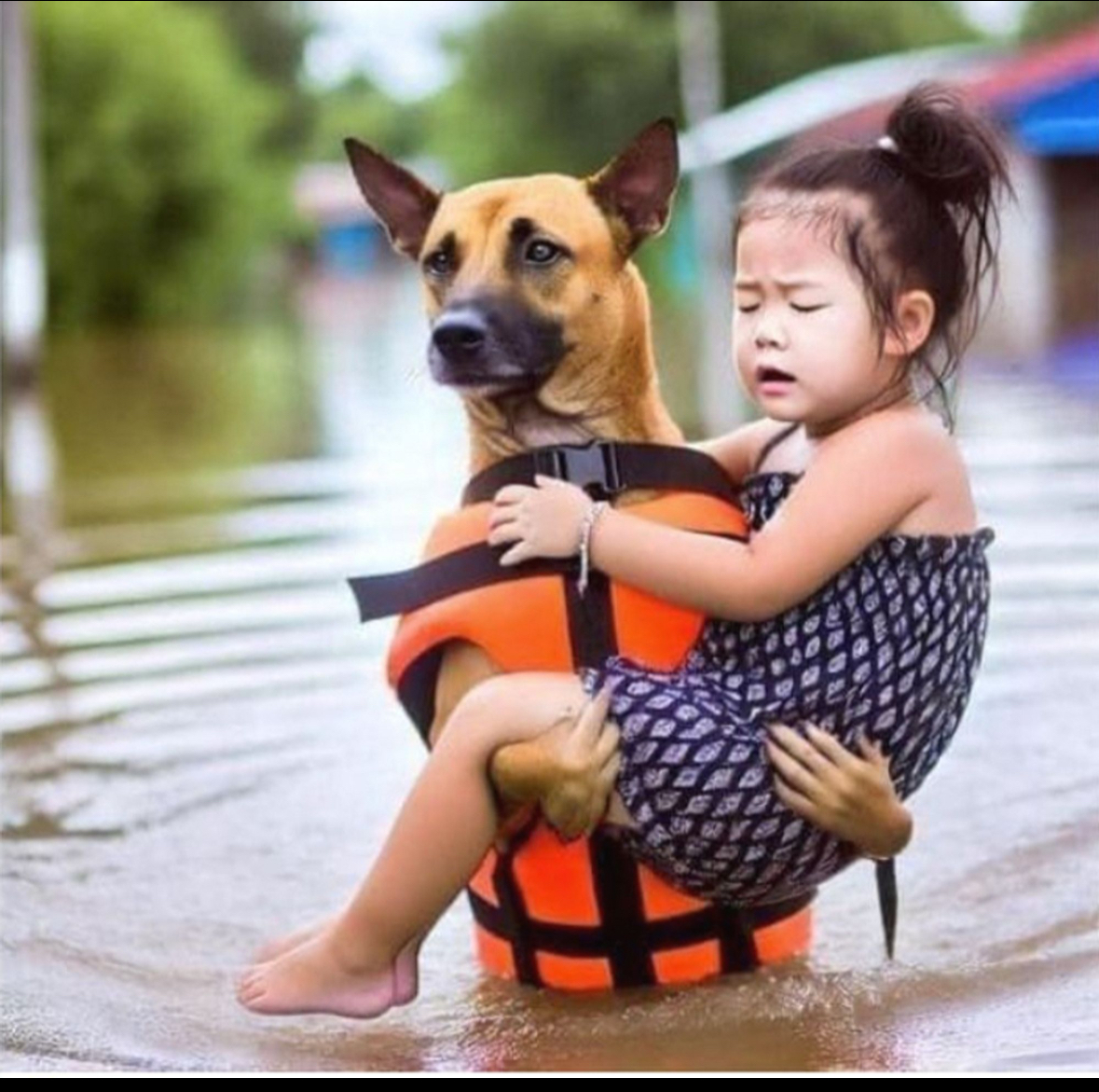
What is new about AI Deepfakes?
Which Face Is Real?

Pre-existing Criminal Statutes

  • Identity theft (limited application)
  • Cyberstalking (18 U.S.C. §2261A)
  • Federal legislation (NDAA 2020)

Right of Publicity

  • Limited to commercial use
  • Only ~30 states recognize it
  • New York’s digital replica protection
  • Section 230 immunity challenges

Defamation

Public Figures

  • Must prove actual malice
  • Higher burden of proof
  • First Amendment considerations

Private Individuals

  • Lower standard than public figures
  • State law variations
  • Must show actual harm

Parody Defense

  • Hustler Magazine v. Falwell
  • “Reasonable person” standard
  • Disclaimer effectiveness
  • Quality considerations

Practical Issues

  • Anonymous creators
  • Jurisdiction on internet
  • Rapid spread of content & accumulated harm

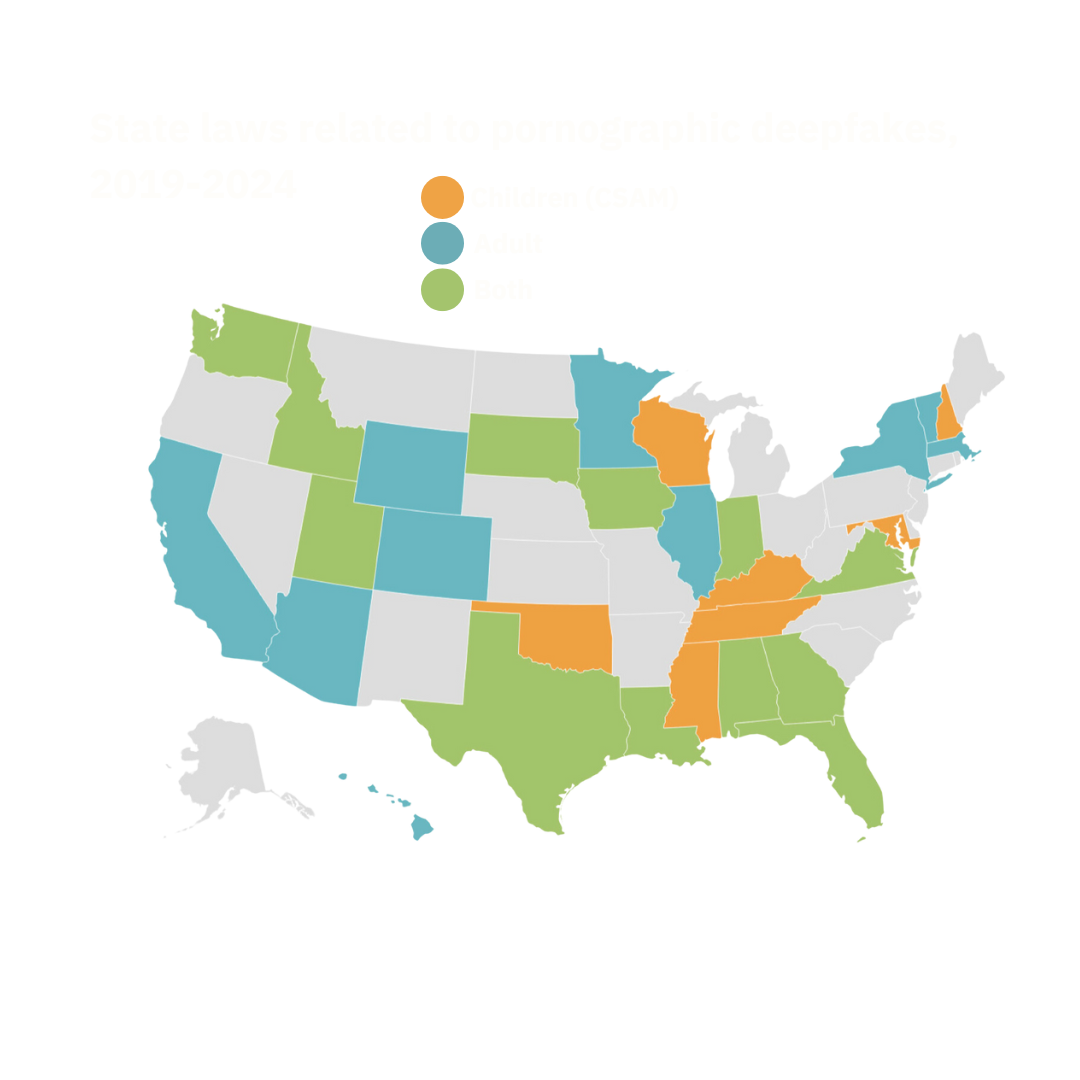
So what has been done?

Current Legislative Approaches

What role can Law-Psychology play?

Questions?

About

References

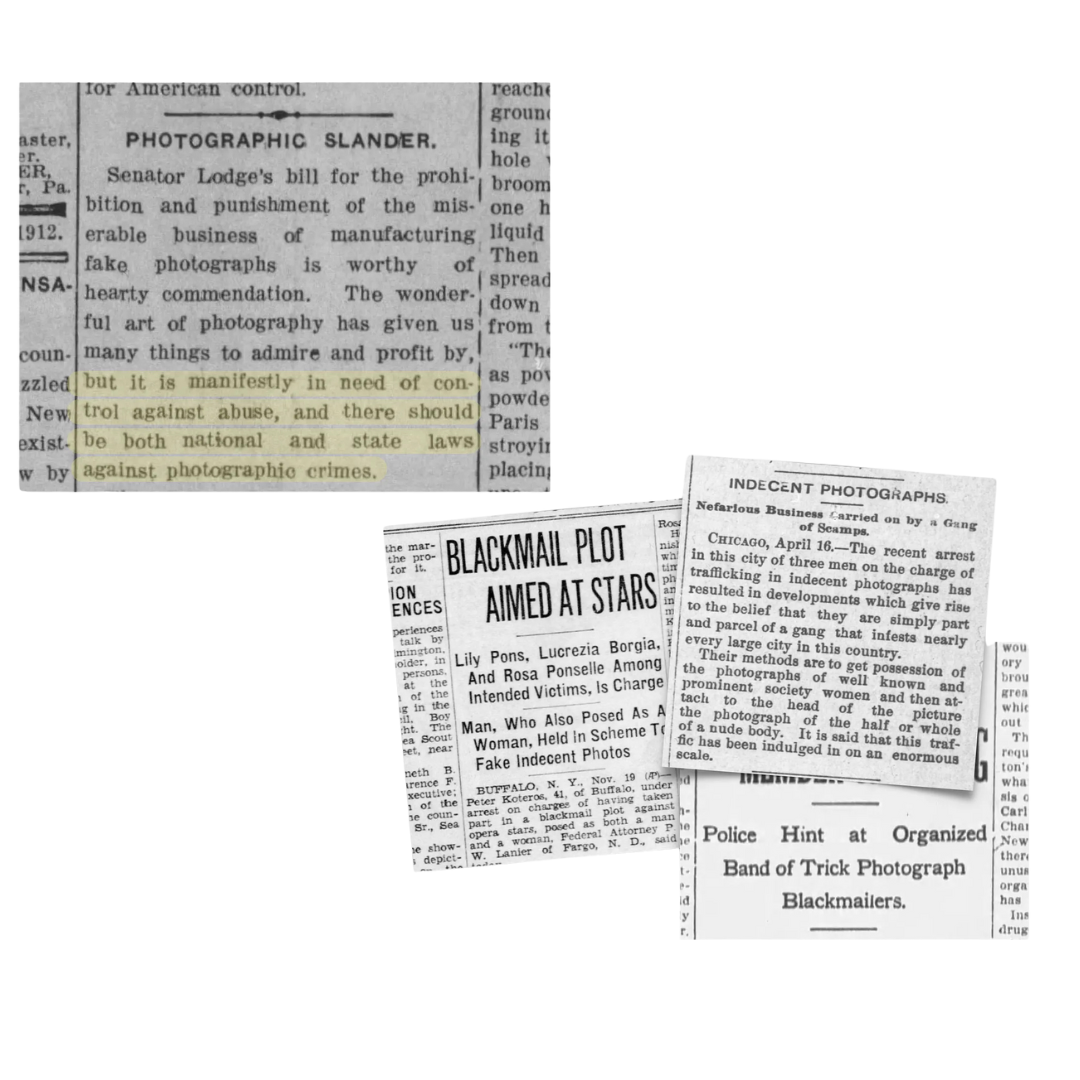
Anslow, Louis. 2024. “The 1912 War on Fake Photos.” Pessimists Archive. https://newsletter.pessimistsarchive.org/p/the-1912-war-on-fake-photos.
Bender, Emily M., Timnit Gebru, Angelina McMillan-Major, and Shmargaret Shmitchell. 2021. “On the Dangers of Stochastic Parrots: Can Language Models Be Too Big? 🦜.” In Proceedings of the 2021 ACM Conference on Fairness, Accountability, and Transparency, 610–23. Virtual Event Canada: ACM. https://doi.org/10.1145/3442188.3445922.
Dolata, Mateusz, and Gerhard Schwabe. 2024. “Towards the Socio-Algorithmic Construction of Fairness: The Case of Automatic Price-Surging in Ride-Hailing.” International Journal of Human–Computer Interaction 40 (1): 55–65. https://doi.org/10.1080/10447318.2023.2210887.
Ferguson, Andrew Guthrie. 2024. “Generative Suspicion and the Risks of AI-Assisted Police Reports.”
“Inescapable AI: The Ways AI Decides How Low Income People Work, Live, Learn, and Survive.” 2024. Techtonic Justice.
Kennedy, Brian, Alec Tyson, and Emily Saks. 2023. “What Americans Know About Everyday Uses of Artificial Intelligence Pew Research Center.” Pew Research. https://www.pewresearch.org/science/2023/02/15/public-awareness-of-artificial-intelligence-in-everyday-activities/.
Kreps, Sarah, Julie George, Paul Lushenko, and Adi Rao. 2023. “Exploring the Artificial Intelligence Trust Paradox’: Evidence from a Survey Experiment in the United States.” Edited by Hans H. Tung. PLOS ONE 18 (7): e0288109. https://doi.org/10.1371/journal.pone.0288109.
Mania, Karolina. 2020. “The Legal Implications and Remedies Concerning Revenge Porn and Fake Porn: A Common Law Perspective.” Sexuality & Culture 24 (6): 2079–97. https://doi.org/10.1007/s12119-020-09738-0.
Starke, Christopher, Janine Baleis, Birte Keller, and Frank Marcinkowski. 2022. “Fairness Perceptions of Algorithmic Decision-Making: A Systematic Review of the Empirical Literature.” Big Data & Society 9 (2): 20539517221115189. https://doi.org/10.1177/20539517221115189.
Suslavich, Benjamin T. 2023. “Nonconsensual Deepfakes: A "Deep Problem" for Victims.” Journal of Science and Technology 33: 160–88. https://towardsdatascience.com/multi-layer-neural-networks-with-sigmoidfunction-deep-learning-for-rookies-2-bf464f09eb7f.
Van Rooij, Iris, Olivia Guest, Federico Adolfi, Ronald De Haan, Antonina Kolokolova, and Patricia Rich. 2024. “Reclaiming AI as a Theoretical Tool for Cognitive Science.” Computational Brain & Behavior 7 (4): 616–36. https://doi.org/10.1007/s42113-024-00217-5.